

Fabindia · Trend research and concept store
Bringing a 60-year-old craft brand to a generation that shops online
Fabindia's stores feel rich and tactile, but its website felt flat. I researched what younger shoppers respond to online and turned it into four directions, with a 3D store built in Blender to test the boldest one.
Challenge
A 60-year-old craft brand whose stores feel rich and tactile, and whose website felt flat and dated to younger shoppers.
What I did
A brand and audience study, SWOT, six web trends filtered against the brand, then four directions and a rollout plan.
Outcome
A concept with four directions and a walk-through store modelled in Blender, ordered by cost so the cheapest can be tested first.
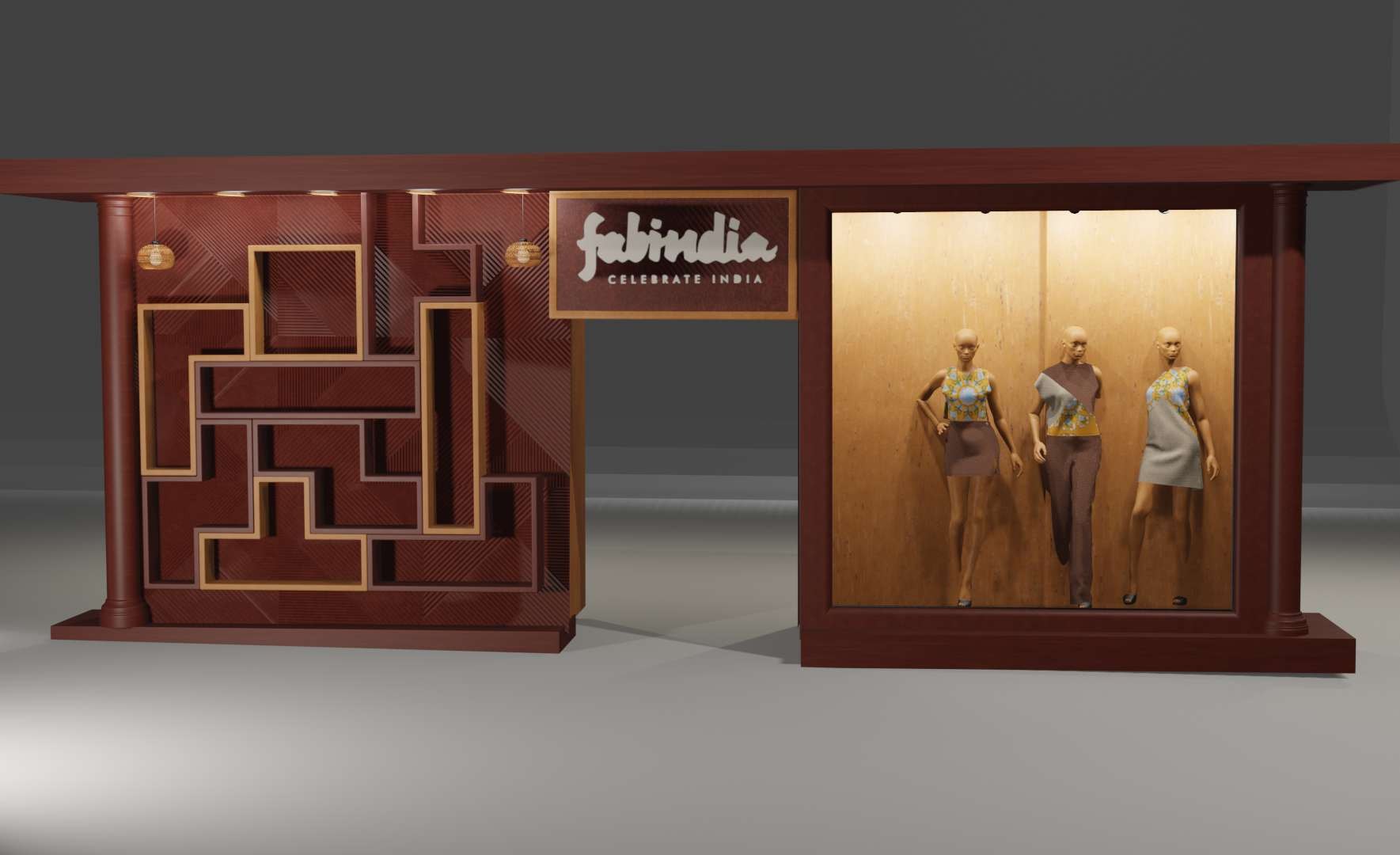 Store facade, modelled in Blender
Founded in 1960 by John Bissell to sell India's craft traditions, Fabindia has blended heritage with modern trends through every change in retail. Online was the one place it hadn't caught up.
Core values
Authenticity, sustainability, fair trade, handcrafted quality and cultural preservation.
Mission
Celebrate India's textile heritage and empower artisans through ethical practices.
Visual identity
Earthy tones, natural textures, traditional patterns and a warm, inviting feel.
Voice
Authoritative yet approachable, built on stories of heritage and craft.
Who buys Fabindia
Who buys today
Urban, middle-class, 25 to 50
People who value natural materials, ethical practice and cultural heritage.
Who to grow
A younger generation
With a growing interest in sustainable fashion and handmade goods.
Archetypes
- The SeekerCurious and adventurous, looking for new experiences and knowledge.
- The CreatorExpressive and collaborative, drawn to DIY and making things together.
- The ExplorerOpen-minded, looking for cultural immersion and new perspectives.
A strong brand with a weak online experience
Strengths
- Strong heritage
- High-quality products
- Ethical practices
Weaknesses
- Little online engagement
- No sense of texture or touch online
- A website that feels dated
Opportunities
- Use technology to tell the brand's stories
- Immersive cultural experiences
- Reach Gen Z and grow online sales
Threats
- Indian and international brands with more modern online stores
The brief I set
Raise the online experience
Make shopping online more engaging and interactive.
Reach younger shoppers
Speak to Gen Z and millennials who care about culture and sustainability.
Show the textiles
Use sensory detail and storytelling to show what makes each fabric special.
Six web trends, four that fit the brand
I reviewed current e-commerce and UX trends and kept only the ones that could carry Fabindia's values. Trends that fit a tech brand better than a craft brand were left out.
Sensory-first experiences
Engaging the senses with visuals, sound and movement: ASMR video, moving product displays, even scented packaging.
Analogue aesthetics
Retro, nostalgic design as a reaction to the polish of social media, with warm colour and playful illustration.
E-zines
Online magazines with curated content, education and submissions from the community, to build loyalty.
Co-creation and gamified UX
Turning shoppers into participants with challenges, design tools, time-limited offers and loyalty schemes.
Chaotic tech maximalism
Surreal 3D, dark motifs and unexpected visuals meant to jolt people.
Glimmers of joy
Turning errors and waiting into small, pleasant moments with playful animation.
From the zeitgeist to four design directions
I grouped the keywords from the research into four themes, then built one direction around each. Select a theme to see its keywords and where it leads.
Tech and play
Gamified shopping
- Virtual try-on. AR for clothes and accessories in your own space.
- Treasure hunts. Small rewards and discounts hidden across the site to reward exploring.
- Interactive product pages. 360° views, close-up textures and videos of artisans at work.
- Shop the look. Curated boards set in places like a busy Indian market.
Co-creation
A shoppable e-zine
- A quarterly online magazine with brand stories and exclusive drops.
- Outfit boards made by shoppers.
- DIY craft tutorials using traditional techniques.
- Interviews with artisans and designers, and early access for subscribers.
Sensory
Storytelling you can almost hear
- ASMR-style sound. Looms, bangles, wind chimes, rain and regional music on product stories.
- Scented packaging. With a local fragrance house, subtle scents tied to the brand and the region a product comes from.
Nostalgia and co-creation
Analogue warmth, made personal
- Handwritten notes and product stories from artisans.
- Retro type, pastel colour and warm, nostalgic graphics.
- FabLab, where shoppers design prints from traditional motifs.
- Limited editions with Gen Z artists, a FabStory hashtag campaign, and a Remix competition for young designers.
A store you can walk through on screen
To test the gamified direction, I modelled a store in Blender: a lattice facade, wooden furniture, racks arranged for wandering and a seating corner. It shows how a virtual visit could feel before anything is built for the web. Step inside and walk through it.
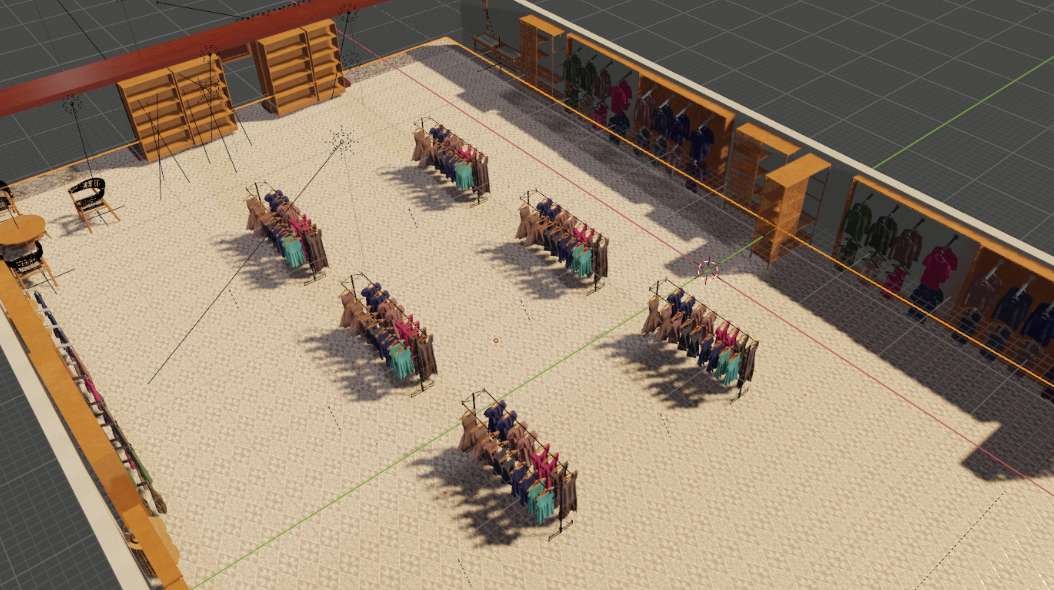
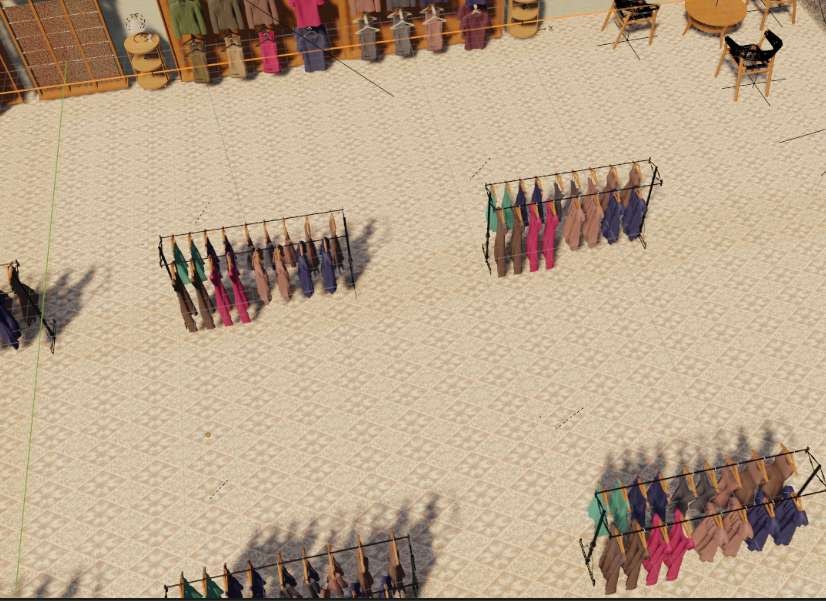
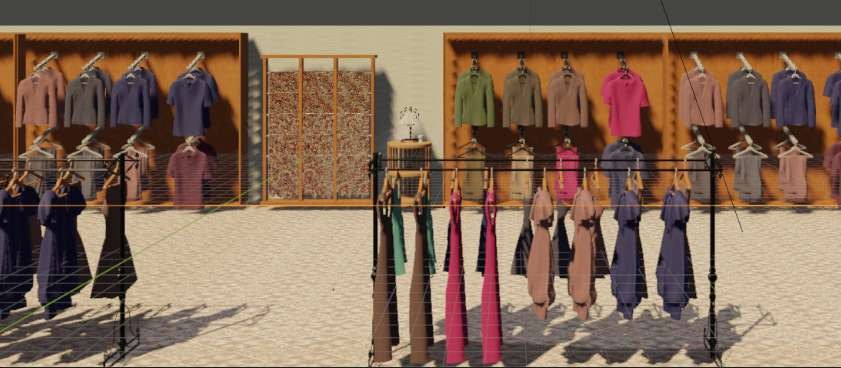
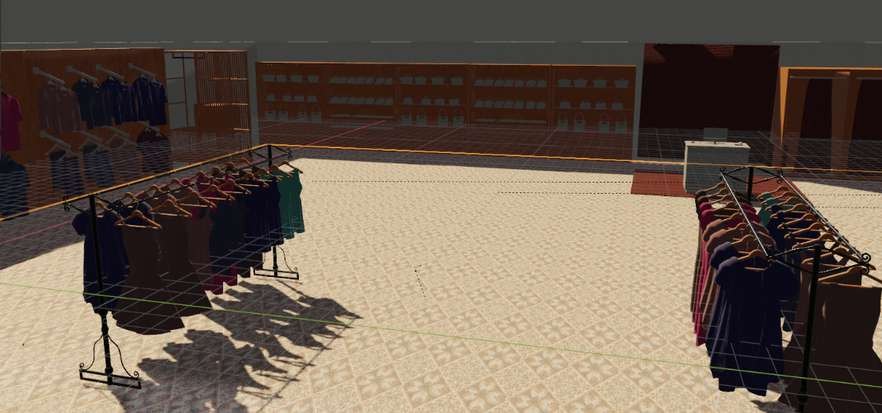
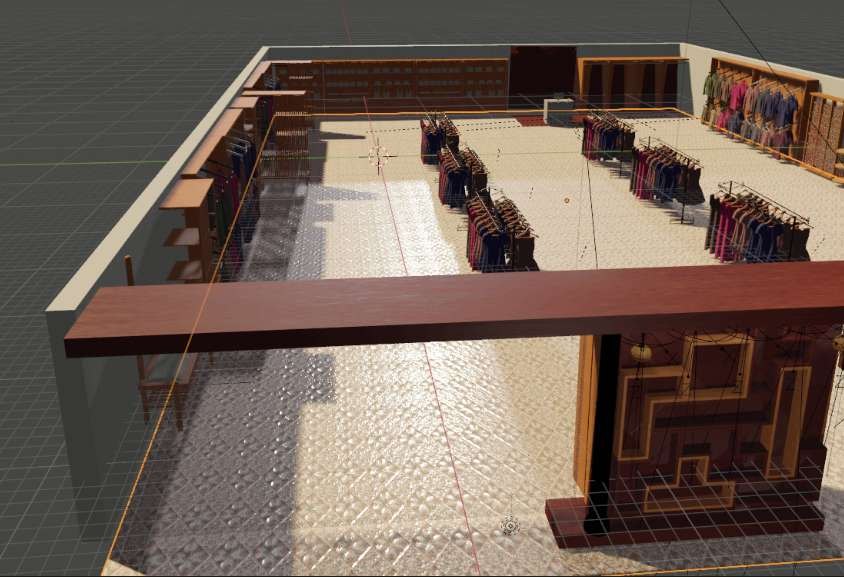
Use the arrows or the strip to walk through the store.
How it could roll out
- Partner with a creative agency that knows e-commerce and the Indian market.
- Train Fabindia's teams on the new approach and the interactive features.
- Create content with artisans and artists: short videos of their lives and craft, behind the scenes.
- Host shoppable livestreams where artisans show their skills and answer questions.
- Roll out in phases, starting with the website and social media.
- Promote the new experience with social campaigns, creators, AR filters and a branded hashtag.
- A/B test design elements to see what improves engagement and sales.
A rough estimate for the website updates, interactive features and content, depending on how much is built. It frames the order of the work: cheaper directions first.
Test the cheapest directions first.
This is research and concept, with no testing yet. I'd start with the e-zine and 360° product pages, which cost the least, and measure whether younger shoppers stay longer and come back. The 3D store is the most memorable idea and the most expensive, so it should come last, once the cheaper directions show what younger shoppers respond to.